Canada’s Data-Centre Rush Is Outpacing Ottawa
Ottawa wants up to six gigawatts of new AI compute and has blessed a $52.5bn gas-powered campus in Saskatchewan. Its only national guardrail is a voluntary pledge, and voters are noticing.
The laws, rules and regulators shaping how AI is built and used.
Ottawa wants up to six gigawatts of new AI compute and has blessed a $52.5bn gas-powered campus in Saskatchewan. Its only national guardrail is a voluntary pledge, and voters are noticing.
Washington's new chatbot front door is already rewriting its answers, Brussels has reset the AI Act timetable, California has legislated again, and the midterms are filling up with machine-made advertising. Here is what matters this week.
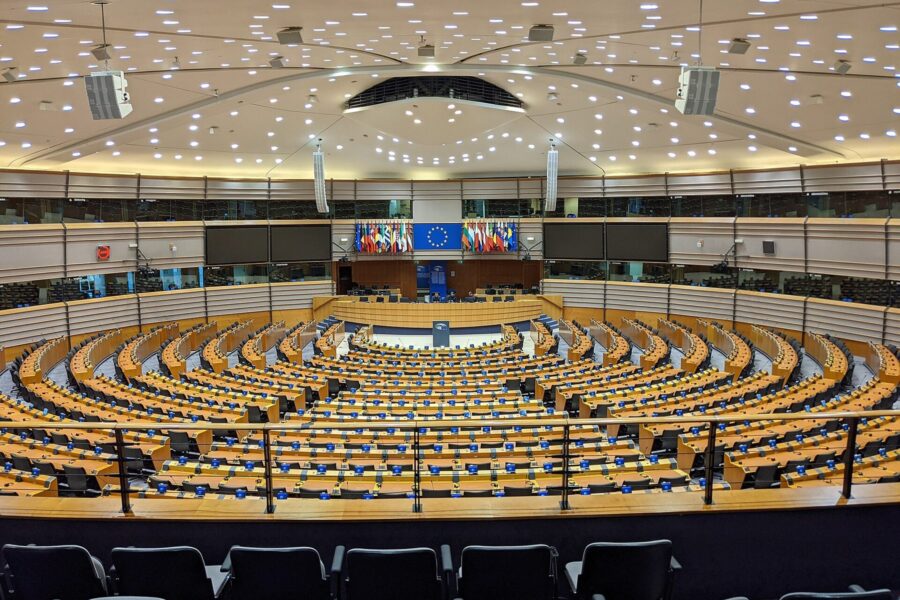
Brussels has pushed its high-risk AI rules back to December 2027. For welfare offices, border agencies, police forces and schools, the extra sixteen months are a window to build governance, not a reprieve.
Congress has not passed a federal AI law, and its preemption push has stalled. California is filling the gap with worker protections and auditor rules, while Colorado shows how far federal and industry pressure can roll a state back.
Parliament's human rights committee wants a dedicated AI Bill; the government's cyber legislation leaves frontier developers to volunteer; and the Met is fixing facial recognition cameras in the West End. The UK is deploying first and legislating later.
Regulation, procurement, elections and security, read for decision-makers. Free, weekly.
Independent reporting and analysis on AI, government, policy and politics — in your inbox every week. Free.
· Sign in