

Israel’s Count Is Done; the Integrity Argument Is Not

India’s 10,000-GPU Tender Quietly Slips to 14 November

Washington Writes ‘Super Intelligence’ Into the Rulebook
A September executive order's label reached a housing order, a health-IT rule deleting a transparency duty and a proposed Treasury ban on AI investment in China and five other countries. The word changes nothing; the instruments do. Draft statutory language is due by 28 November.
Read the story
The Briefing
Brazil's result is final but its platform orders are not; four UN military-AI texts head for Geneva; Egypt's data-protection grace period has expired; and Adelaide, Beijing, Islamabad, Ottawa and the New York courts each added a document governments must now read.
- 11. Brazil Proclaims a Result and Leaves Its Orders Unreferended
- 22. The First Committee Clears All Four Military-AI Texts
- 33. Egypt's Grace Period Has Expired. The Regulator Says It Starts Now
- 44. The FCC Has Not Ruled on AI Robocalls, and Says It Has No Plans To
- 55. Mexico's Supreme Court Parks 138 Biometric-CURP Appeals
- 66. Canada and the EU Write AI Conformity Into a Summit Text
More stories

Seoul Folds 243 Local Governments Into 16 Systems
South Korea's first joint session of its science and economic ministers approved a rebuild of the administrative systems of all 243 local governments on 16 regional platforms, and waived fiscal review for a KRW600bn AI data centre in Pohang. The tender comes by year-end.

Tokyo and Berlin Link Their AI Safety Institutes
Japan and Germany have agreed to link their AI safety institutes, open a high-level AI dialogue and coordinate on a Japan-hosted AI Summit. The pledges sit inside an economic-security declaration aimed at critical-mineral coercion; none of the nine memoranda on Tokyo's list covers AI.
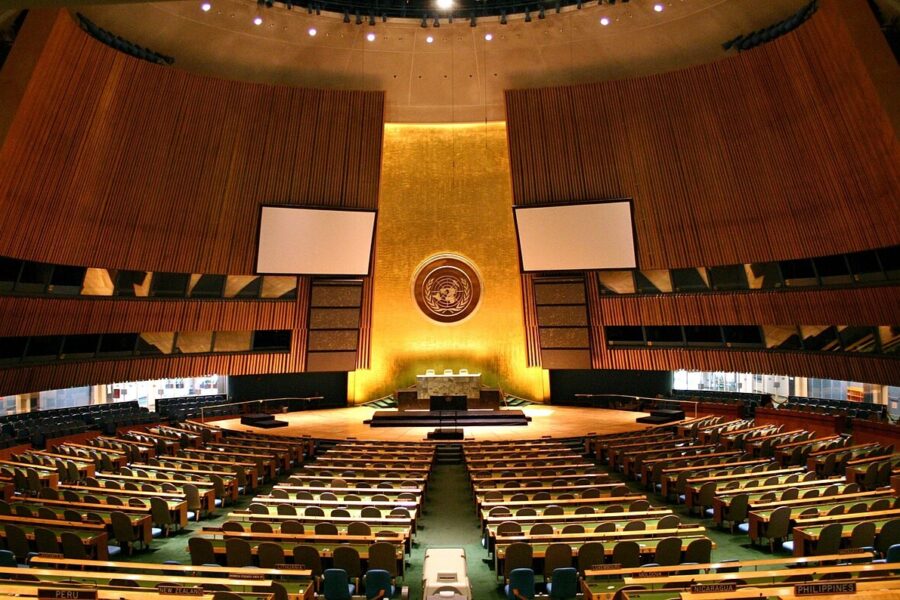
163 to 5: New York Backs Talks on Autonomous Weapons
The UN First Committee has cleared all four military-AI texts: 163 to 5 for 'advance to negotiations' on autonomous weapons, 171 to 4 for two years of Geneva dialogues, a consensus CCW omnibus. What the counts settle before the Review Conference, and what they cannot.

Gulf AI: One Institution, Three Memoranda, One Number
In the week to 25 October 2026 the Gulf's AI news arrived as paperwork: a ratified Qatari decision creating a national AI centre, three memoranda from Oman's state visit to Britain, and one Saudi figure — 14MW — that can be checked on a date.

Report the Label, Not the F1
A single accuracy or F1 figure hides which label fails, for whom, and how far the test set sits from live data. Six preprints and a National Audit Office case study show what a monitoring contract should demand instead: per-label agreement with a human baseline.
The Ship That Wasn’t: Automation Bias Needs a Paper Trail
A chatbot's error reportedly came close to prompting a US intercept of a Chinese vessel. As AI tools reach millions of military personnel, high-stakes analysis needs provenance labels, verification gates and logs.
More opinionThe Agentic Civil Service Arrives, Rulebook Attached
Japan began moving 180,000 officials onto AI agents, Singapore named agent test metrics a contract could measure and Washington defined the incident categories for agents that act uninstructed — all in ten days. A comparison of what each regime requires of an agent deployer.
Explain the Algorithm: Brazil Sets a Six-Hour Clock
Three orders in forty-eight hours turned algorithmic reach into a reportable duty with a deadline attached. Brazil's electoral court now wants distribution data every six hours — and has platform staff sitting inside the courthouse.

700 Complaints, Four Platform Partners, No Court Case
Nine days before South Africa votes in local elections, the Electoral Commission has logged more than 700 disinformation complaints, gazetted a code carrying R200,000 fines, and enlisted four platforms. Not one matter has reached the Electoral Court.
By region
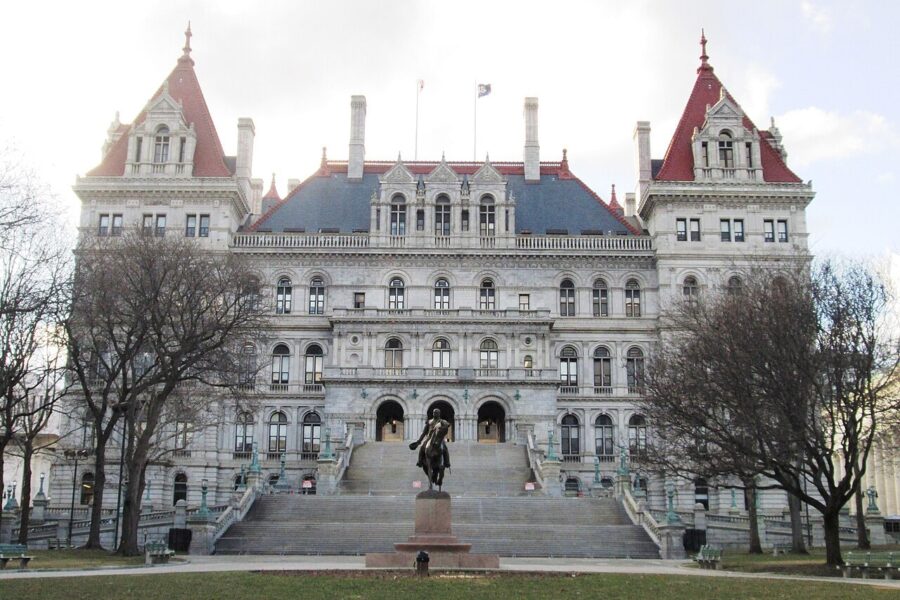
Three Legislatures, One Chatbot Problem
New York has signed a ban on unsafe AI companion features for minors, Australia's House has named chatbot-fostered dependence as a harm to children, and Colorado's regulator has closed its record. Three legal designs, one target: software that simulates a relationship with a child.



Brazil’s Platform Orders Outlive the Vote
Lula's re-election is proclaimed and the late-vote count is tiny, yet the Corregedor's orders on Meta and X remain one judge's provisional measures: no Plenary referendum is on the record, the reach reports are unpublished, and sixteen abuse cases run to December.




The Baselines Are the News: What Britain’s Red Book Scores for AI
HM Treasury's Budget text says 'over £700 million' for AI. Its own scorecard books £490m of new borrowing-funded spend over six years and £160m of Sovereign AI financial transactions, back-loaded to 2028-29, with the savings it is meant to unlock asserted rather than itemised.



Israel’s Count Is Done; the Integrity Argument Is Not
Israel's Central Elections Committee has published a final seat count and says the result stands whatever a Shin Bet inquiry finds. The dispute has moved from the ballot box to the question of who gets to declare an election clean.



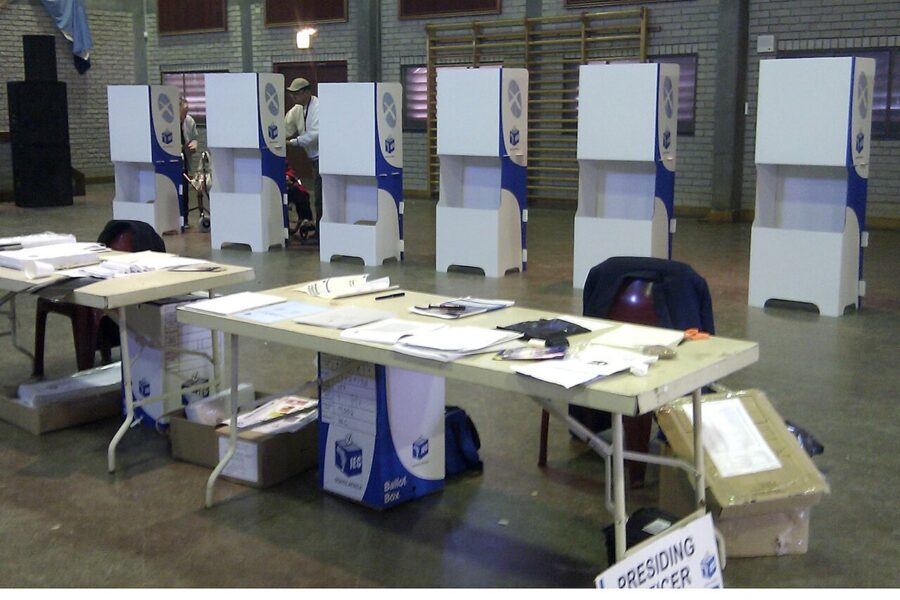
A Mandela Deepfake Tests South Africa’s Election Machinery
Special votes open today under a gazetted Disinformation Code that has yet to reach the Electoral Court. A fake Mandela video shows what the state can actually do in election week: report, correct, and test detection tools that are still being built.



India’s 10,000-GPU Tender Quietly Slips to 14 November
Two days before bids were due, C-DAC pushed the close of its sovereign AI compute tender to 13 November by a one-page corrigendum, unannounced and unreported. What changed, what did not, what the first round teaches, and what Parliament wants to examine.



Three Legislatures, One Chatbot Problem
New York has signed a ban on unsafe AI companion features for minors, Australia's House has named chatbot-fostered dependence as a harm to children, and Colorado's regulator has closed its record. Three legal designs, one target: software that simulates a relationship with a child.



Long Reads
The Decision Series. Four essays on how governments notice, weigh and act on what is happening around them.

The Decision Gap
Problems rarely arrive unannounced. The real failure of modern government is the distance between when a signal is available and when someone with authority acts on it, and that distance can be measured.

Beyond Dashboards
Governments have never counted more and decided less clearly. A review of 108 dashboard studies, and a stark gap between how officials and residents see public AI, suggest the chart of mentions is the wrong instrument.

Seeing the State in Motion
Government is not a single building but a moving system of tiers, departments and languages. One issue has many owners and many voices, and a state that reads only its dominant language sees only part of itself.

From Signal to Decision
Between noticing and acting lies the hardest stretch of government. On rumour, denial, silence and speed, and why the choice made at hour six should never be made on evidence fit only for hour sixty.
By desk
Three Legislatures, One Chatbot Problem
New York has signed a ban on unsafe AI companion features for minors, Australia's House has named chatbot-fostered dependence as a harm to children, and Colorado's regulator has closed its record. Three legal designs, one target: software that simulates a relationship with a child.
India’s 10,000-GPU Tender Quietly Slips to 14 November
Two days before bids were due, C-DAC pushed the close of its sovereign AI compute tender to 13 November by a one-page corrigendum, unannounced and unreported. What changed, what did not, what the first round teaches, and what Parliament wants to examine.

Brazil’s Platform Orders Outlive the Vote
Lula's re-election is proclaimed and the late-vote count is tiny, yet the Corregedor's orders on Meta and X remain one judge's provisional measures: no Plenary referendum is on the record, the reach reports are unpublished, and sixteen abuse cases run to December.



The Baselines Are the News: What Britain’s Red Book Scores for AI
HM Treasury's Budget text says 'over £700 million' for AI. Its own scorecard books £490m of new borrowing-funded spend over six years and £160m of Sovereign AI financial transactions, back-loaded to 2028-29, with the savings it is meant to unlock asserted rather than itemised.



Report the Label, Not the F1
A single accuracy or F1 figure hides which label fails, for whom, and how far the test set sits from live data. Six preprints and a National Audit Office case study show what a monitoring contract should demand instead: per-label agreement with a human baseline.