Dhaka Puts AI-Generated Content Into Its Cyber Law Draft
Bangladesh's draft Cyber Protection (Amendment) Act names AI-generated content in its defamation offence and adds a ten-year 'rumour' crime. Four months after a cabinet committee took the draft, the ICT Division's draft-laws page lists no text and editors want courts in the loop.
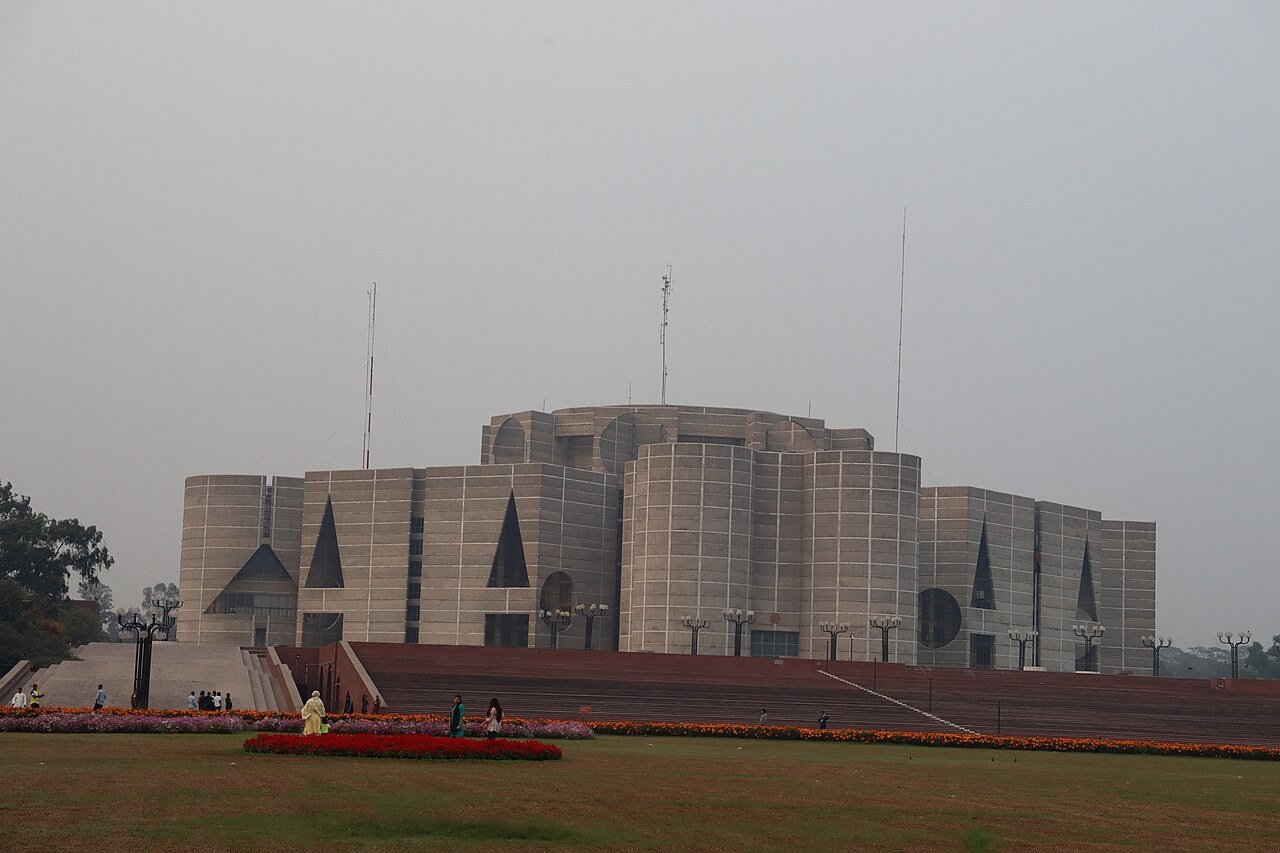
Bangladesh is preparing to put the words “artificial intelligence” into a criminal statute on speech. A draft Cyber Protection (Amendment) Act, 2026 would rewrite Section 25 of the Act passed in April to cover content “created, edited or altered using artificial intelligence”, and add a Section 26A punishing online “rumour” and “disinformation” with up to ten years in prison. What matters more than the AI clause is the machinery around it: who may block content, who decides what is “unverified”, and whether a court is asked first.
What the draft adds, and what it would cost
Prothom Alo reported the provisions on 30 July 2026 from Home Ministry and ICT Division sources. Section 25 would gain two offences, defamation and “derogatory” content, covering recorded or edited material “including audio, video, audiovisual material, still images, graphics or AI-generated content” published to defame or degrade a person. The ceiling is five years and Tk 2 million, rising to ten years and Tk 4 million where the target is a woman or someone under 18.
Section 26A would criminalise publishing a “rumour”, defined as unsubstantiated or unverified information that creates or risks confusion, panic or social instability, or “disinformation”, false or misleading material spread to deceive or harm. The ceiling is ten years, Tk 4 million, or both. Policymakers told the paper the target was AI-made fake video, audio and imagery.
When the ICT Division posted the draft in mid-September, The Daily Star reported that it also hands blocking powers to the Ministry of Information and Broadcasting, permits blocking on suspicion that an offence could occur, drops the duty to disclose what was blocked, and allows a company’s licence to be cancelled. Even the name is unsettled: The Daily Star, Prothom Alo and The Financial Express render the Bengali title as the Cyber Security Act; CPJ, the rights groups and the Editors’ Council say Cyber Protection Act. The Daily Star and Global Voices date the Act to 10 April 2026, amended on 30 June; Prothom Alo gives 30 April.
Why the draft has not reached Parliament
The Cabinet Division formed the committee on 2 July 2026, with ICT Minister Fakir Mahbub Anam as convener, The Daily Star reported from a Press Information Department release.
| Date | Step | Who |
|---|---|---|
| 2 July 2026 | Five-member cabinet committee formed to finalise the draft | Cabinet Division |
| 30 July 2026 | Draft provisions on Sections 25 and 26A reported | Prothom Alo |
| 10 September 2026 | Consultation with selected media | Information ministry |
| 13–14 September 2026 | Draft posted on the ICT Division website for comment | ICT Division |
| 22 September 2026 | Four rights groups call for withdrawal | SAHR, CIVICUS, Front Line Defenders, RFK Human Rights Center |
| 28 September 2026 | Prior court approval called “highly appropriate”; expert committee requested | Home Minister |
| 18 October 2026 | Editors’ Council’s 12 recommendations reported | Editors’ Council |
| 2 November 2026 | ICT Division’s draft-laws page lists no document | Checked by AI & GPP |
The Committee to Protect Journalists said on 14 September that the rumour offence would criminalise reporting that officials deem unverified; its Asia-Pacific programme coordinator Kunal Majumder said the amendments “are so broad that they could undermine press freedom”. A joint statement from South Asians for Human Rights, CIVICUS, Front Line Defenders and the Robert & Ethel Kennedy Human Rights Center said the draft “mirrors” the repealed Digital Security Act and noted a comment window of little more than a week.
On 28 September, The Financial Express reported, Home Minister Salahuddin Ahmed called prior court approval before action against journalists “highly appropriate and reasonable” and promised a republished draft, an inter-ministerial review, then the cabinet and Parliament.
What the editors want changed before AI is named in law
The Editors’ Council’s 12 recommendations, reported by The Daily Star on 18 October from the council’s press release, go to mechanics: separate definitions for incorrect information, disinformation and rumour; no automatic inference of an offence from unverified information; written reasons and an appeal route for blocking orders; and no new or heavier cybercrime of online defamation. At a Transparency International Bangladesh roundtable the same day, executive director Iftekharuzzaman said that 44 cases under the existing law between March and September had produced 101 accused and 64 arrests.
Global Voices reported on 28 October, citing an earlier study, that 72 AI-manipulated items gained traction between December 2025 and the 12 February 2026 election, 47 aimed at the BNP, and that women in politics were targeted with fabricated images. The existing Section 25, it notes, carries up to two years, or five where the victim is a woman or child: the draft at least doubles the ceiling while widening the offence.
The ICT Division’s “Draft Laws, Rules and Policies” page, last updated on 24 September, carried no document when opened on 2 November, only a feedback form with no deadline.
A government that names AI in a speech offence inherits the duty to say how it will prove something was AI-made. The draft does not.
Pakistan’s data-governance policy, examined in Pakistan Writes Rules for the Algorithmic State, reaches AI through administrative procedure; India’s courts are ordering platforms to act within fixed hours, as described in Delhi’s Judges Give Ministries 72 Hours. Dhaka has chosen the criminal code. What decides it is whether the revised draft defines “AI-generated” and who certifies it; whether court approval precedes blocking and arrest; and whether the republished text allows the 30-day consultation that Constitution Watchdog, per Global Voices, has asked for. Until the draft reappears, none can be checked.
Sources
- Cyber Security (Amended) Act: 10 years’ imprisonment for spreading rumours, disinformation — Prothom Alo, 30 July 2026
- Cyber security act: Draft changes echo DSA-era restrictions — The Daily Star, 14 September 2026
- Cabinet committee formed to finalise Cyber Security Act amendment draft — The Daily Star, 2 July 2026
- Bangladeshi journalists face 10-year jail terms for ‘unverified’ reporting under draft cybercrime law — Committee to Protect Journalists, 14 September 2026
- Draft Cyber Protection (Amendment) Act 2026 poses serious risk to freedom of expression — Front Line Defenders (joint statement with CIVICUS, the Robert & Ethel Kennedy Human Rights Center and SAHR), 22 September 2026
- Mandatory court approval before action against journos proposed — The Financial Express, 29 September 2026
- Editors’ Council seeks mandatory court approval before arresting journalists over reporting — The Daily Star, 18 October 2026
- Draft amendment to CSA criminalises fundamental rights — The Daily Star, 19 October 2026
- Bangladesh weighs tougher cyber law as AI-generated abuse targets women — Global Voices, 28 October 2026
- Draft Laws, Rules and Policies — ICT Division, Government of Bangladesh, page updated 24 September 2026, checked 2 November 2026 (in Bengali; translation by AI & GPP)
Discussion
No comments yet. Start the conversation.