Delhi’s Judges Give Ministries 72 Hours. SEBI Vets the Avatars
Indian courts are ordering ministries to have deepfake sites blocked within 72 hours, and SEBI now treats AI avatars as celebrities whose adverts need pre-approval. Judges and a market regulator are writing India's synthetic-persona rules before MeitY does.
India’s rules for synthetic faces are being written outside Parliament. On 8 October 2026 the Delhi High Court directed the Ministry of Electronics and Information Technology (MeitY) and the Department of Telecommunications (DoT) to have sites carrying deepfakes of the actor and Member of Parliament Kangana Ranaut blocked within 72 hours. The same day the Securities and Exchange Board of India (SEBI) dated regulations that class computer-generated “virtual influencers” as celebrities whose adverts need approval before they run. Deadlines and gatekeepers for synthetic personas are arriving before MeitY’s promised AI consultation paper.
How a celebrity lawsuit puts two ministries on a 72-hour clock
Justice Vikas Mahajan’s order in Kangana Ranaut v Meta Platforms Inc and Ors, CS(COMM) 1100/2026 bars all defendants, unnamed “John Doe” parties included, from making or spreading deepfakes, fabricated speeches or impersonation material depicting her. Meta has 72 hours from receiving the order to remove the listed content. Within the same window MeitY and DoT, joined as defendants, must instruct internet and telecom providers to block the listed sites, then file compliance affidavits within two weeks. The judge found AI-generated content falsely showing her making statements “inherently deceptive”. The court sits again on 3 February 2027.
His same-day order in Vijay Sai Deverakonda v Ashok Kumar John Doe & Ors, CS(COMM) 1098/2026 gives the ministries the identical instruction and sets 72-hour deadlines for four marketplaces and eight domain registrars. Its annexure lists 94 URLs; as MediaNama noted, the clause aimed at Meta, Google and X fixes no deadline. Both orders let a wrongly blocked site that is “not primarily an infringing website” seek a modification.
Court-ordered blocking has become a template
The pattern predates this month and is reaching lower courts:
| Order date | Court | Plaintiff | Who must act, and how fast |
|---|---|---|---|
| 20 Feb 2026 | Delhi High Court | Kajol, actor (order in CS(COMM) 173/2026) | Platforms, DoT and MeitY: 72 hours |
| 12 Aug 2026 | Civil judge, Chandigarh | Sukhpal Singh Khaira, Punjab MLA (as reported by Bar & Bench) | Meta: 72 hours |
| 5 Oct 2026 | Civil judge, Chandigarh | Amandeep Kumar, Congress politician | Three Facebook pages disabled until 22 October |
| 8 Oct 2026 | Delhi High Court | Kangana Ranaut, MP | Meta, MeitY and DoT: 72 hours |
| 8 Oct 2026 | Delhi High Court | Vijay Deverakonda, actor | Marketplaces, registrars, MeitY and DoT: 72 hours |
The Chandigarh case returns this week. On 5 October Civil Judge (Junior Division) Kuldeep Singh, hearing a defamation suit by Amandeep Kumar, also known as Amandeep Jaintipura, had public access to three Facebook pages disabled and barred their operators from posting AI-generated content about him. The pages’ conduct “may adversely affect the health of our democracy”, the court said, Bar & Bench reported. The ex parte order blocks whole political pages until the hearing on Thursday 22 October.
Pushback is coming from inside the Delhi court. In actor Janhvi Kapoor’s suit, the amicus curiae Gautam Bhatia’s written submissions of 2 October, which MediaNama has published, call a stand-alone personality-rights claim with a broad John Doe injunction “a claim unknown to Indian law”. He wants plaintiffs to separate defamation, privacy and commercial claims before courts grant sweeping injunctions.
SEBI puts synthetic presenters behind a pre-clearance gate
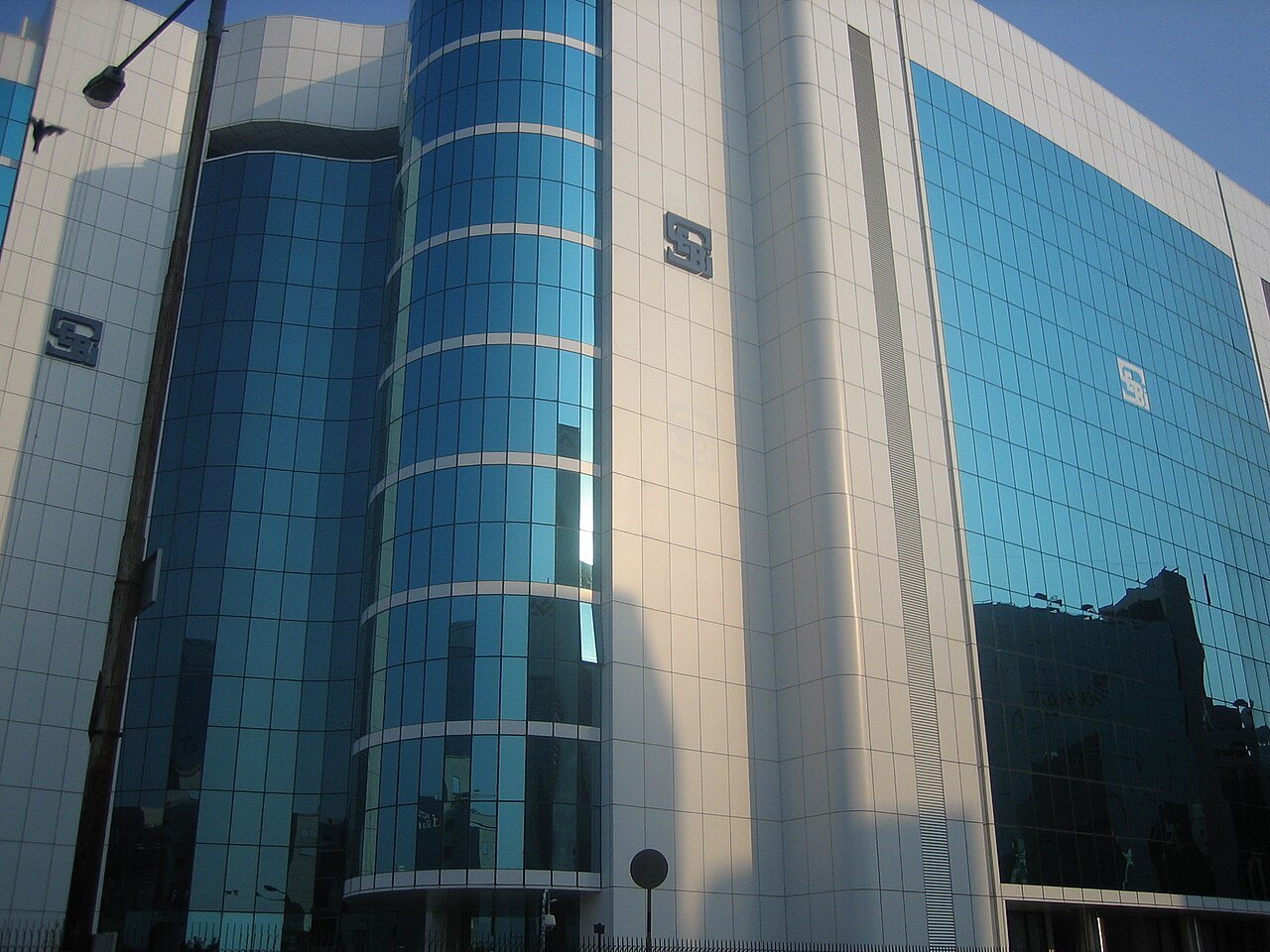
The SEBI (Intermediaries) (Second Amendment) Regulations, 2026, F. No. SEBI/LAD-NRO/GN/2026/323, published in the Gazette of India on 9 October, create a Common Advertisement Code. Regulation 16G(2)(g) counts as a celebrity a “virtual influencer (fictional computer generated ‘people’ or avatars who have the realistic characteristics, features and personalities of humans)”. Under Regulation 16K(3), an advert featuring a celebrity may run only once the firm’s supervisory body, such as a stock exchange for brokers, has approved it, or SEBI where no body is specified. The code covers brokers, advisers, research analysts, mutual funds and other intermediaries, and comes into force on the 180th day from Gazette publication. Counting 180 days from 9 October, AI & GPP makes that 7 April 2027 (6 April if 9 October is day one).
The board memorandum behind the code proposes that supervisory bodies decide on a celebrity advert within four working days, and keeps pre-approval because celebrity endorsement “may have wider influence on investors”. MediaNama points out that an avatar advert may also need labelling under MeitY’s synthetic-content rules: two regulators, one advert.
What decision-makers should watch
MeitY and DoT are becoming standing defendants in private suits, owing sworn compliance on two-week cycles. Order by order, that builds a takedown regime ahead of the consultation paper the IT minister promised within a month of 8 October, as AI & GPP reported in India Drops the Light Touch on AI. The paper should say who carries that load.
On 22 October, watch whether Chandigarh keeps political pages dark ahead of Punjab’s 2027 election. Financial firms using avatars or AI presenters have until April 2027 to build approval workflows. China’s internet regulator, by contrast, has told platforms that an AI label does not excuse a fake persona, as covered in Beijing Targets Fake Personas Hiding Behind AI Disclaimers: Beijing polices the account; SEBI polices the advertiser.
Sources
- Kangana Ranaut v Meta Platforms Inc and Ors, CS(COMM) 1100/2026, order of 8 October 2026 — Delhi High Court (copy hosted by MediaNama), 8 October 2026 (PDF)
- Vijay Sai Deverakonda v Ashok Kumar John Doe & Ors, CS(COMM) 1098/2026, order of 8 October 2026 — Delhi High Court (copy hosted by MediaNama), 8 October 2026 (PDF)
- Delhi HC protects Vijay Deverakonda’s personality rights from AI misuse — MediaNama, 12 October 2026
- Kajol Vishal Devgan v Kash Collective & Ors, CS(COMM) 173/2026, order of 20 February 2026 — Delhi High Court (copy hosted by LiveLaw), 20 February 2026 (PDF)
- Chandigarh court directs Meta to remove AI-generated video of Punjab MLA Sukhpal Khaira — Bar & Bench, 13 August 2026
- May harm democracy: Chandigarh court orders block of AI-generated videos targeting Congress politician — Bar & Bench, 6 October 2026
- Explained: What amicus Gautam Bhatia’s brief asks the Delhi HC to change in personality rights cases — MediaNama, 13 October 2026
- Securities and Exchange Board of India (Intermediaries) (Second Amendment) Regulations, 2026, Gazette of India Extraordinary No. 608 — Securities and Exchange Board of India, dated 8 October 2026, published 9 October 2026 (PDF)
- Common Advertisement Code for Specified SEBI Regulated Entities, board memorandum — Securities and Exchange Board of India, board meeting of 24 September 2026 (PDF)
- Lowdown: SEBI’s final ad code keeps pre-approval for influencer and AI avatar ads. What changed from the draft? — MediaNama, 13 October 2026
Discussion
No comments yet. Start the conversation.