Robocalls, Deepfakes and the Parody Defence
As the FCC weighs letting political groups send AI-voiced calls to mobiles without consent, Colorado and New York test whether a satire label can excuse undisclosed deepfakes, a fortnight before the 3 November vote.
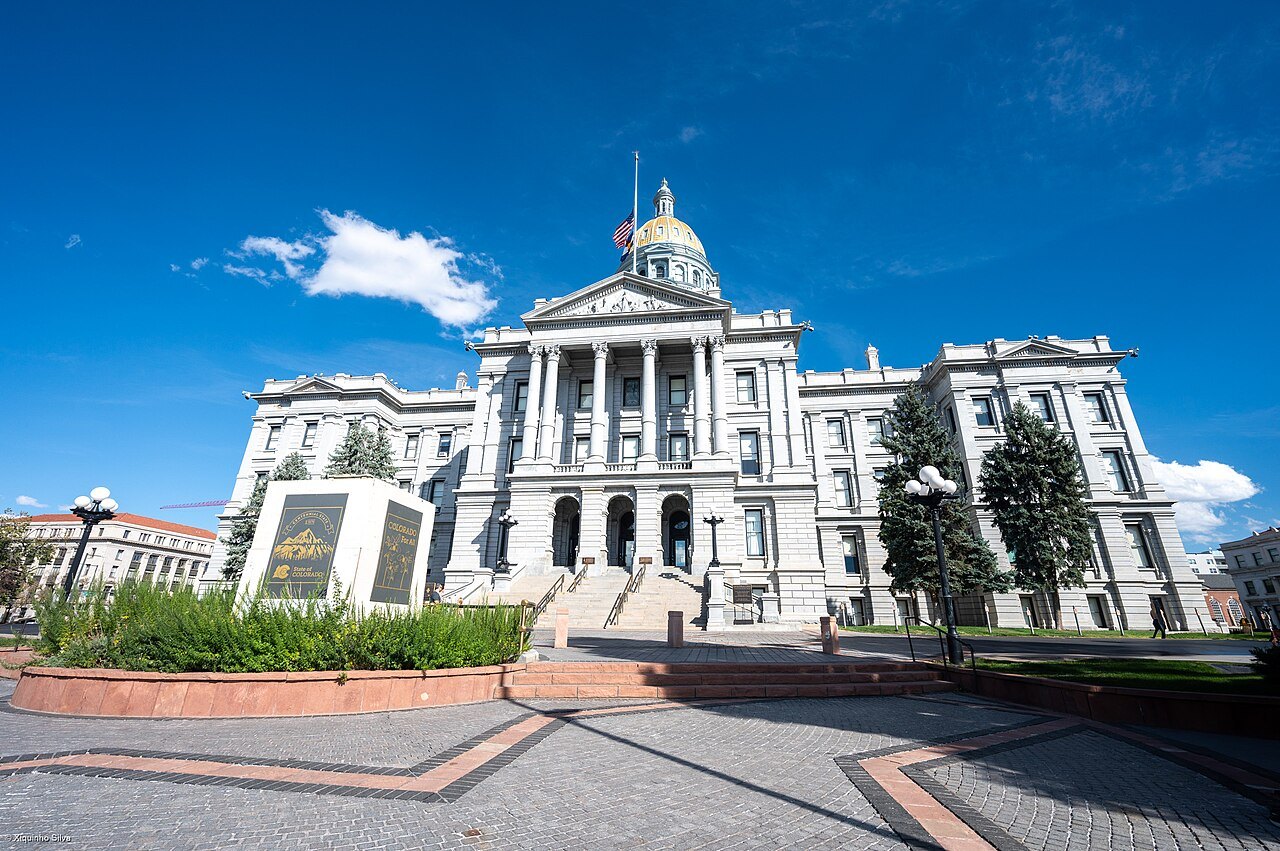
Reply comments close today, 19 October, on a petition that would let American political groups ring voters’ mobile phones with artificial voices, AI-generated ones included, without consent. The Federal Communications Commission’s Public Notice DA 26-940, released on 4 September in CG Docket No. 02-278, seeks comment on the Club for Growth’s request for a waiver of the consent rule under the Telephone Consumer Protection Act (TCPA). Meanwhile two state election regulators must decide whether calling a deepfake “satire” excuses the missing label. A fortnight before the 3 November midterms, AI campaign rules are being set by petition and complaint, not statute.
What the FCC waiver would allow, and how fast
The petition, filed on 31 August, seeks relief from 47 CFR § 64.1200(a)(1)(iii) and 47 U.S.C. § 227(b)(1)(A)(iii) so that non-commercial political calls using artificial or prerecorded voices can reach wireless numbers without prior express consent. The Associated Press reported that the Republican-led Commission could rule as soon as late October, and that callers would have to offer an opt-out and make no more than three calls to any one person in 30 days; the notice itself sets no such conditions. AP quoted David McIntosh, the group’s president: “We think the Constitution protects a conversation with a voter at least as highly as a delivery update.” Anna Gomez, the sole Democrat among three sitting commissioners, told AP the move would create “a tsunami of robocalls and misinformation”.
A waiver would unpick a recent deterrent. In Declaratory Ruling FCC 24-17 of February 2024, issued after the cloned-Biden calls in New Hampshire, the Commission held that the TCPA’s artificial-voice limits “encompass current AI technologies that generate human voices”, so such calls need consent.
Colorado and New York share the same carve-out
Colorado’s House Bill 24-1147, in force since 1 July 2024, bars undisclosed deepfakes of candidates, including sitting office-holders, within 90 days of a general election (from 5 August this cycle). It excludes “media content that constitutes satire or parody”. New York’s Election Law § 14-106 exempts “materially deceptive media that constitutes satire or parody”.
| Colorado (HB 24-1147) | New York (§ 14-106(5)) | |
|---|---|---|
| Label | “has been edited and depicts speech or conduct that falsely appears to be authentic or truthful” | “This (image, video, or audio) has been manipulated” |
| Extra duty | Metadata names the AI tool and creation date | Audio label at start and end |
| Satire or parody | Exempt | Exempt |
| Who decides | Secretary of State hearing officer; candidate may sue | State Supreme Court, on a candidate’s application |
| Sanction | At least $100 per violation, or at least 10% of promotion spend | Injunction, costs, attorneys’ fees |
According to the Denver Gazette, the Secretary of State’s Elections Division is investigating an August complaint by state Senator Cathy Kipp (D-Fort Collins) over an Independence Institute video in which an AI-generated Kipp, as a cashier, pockets a customer’s change: a jibe at her support for Proposition NN on refunds under the Taxpayer’s Bill of Rights. The video admits near the end that it is AI-made but, the paper reports, carries no disclaimer. Kipp told Colorado Politics, which ran the same report, it was “disturbing and wrong”; the Institute claims the parody exemption, and its president, Jon Caldara, told the same outlet “the poor woman needs to watch Saturday Night Live more often”. A hearing is due but undated. The session law lists Kipp among the bill’s House sponsors.
In New York, Democratic state chair Jay Jacobs complained in August to the State Board of Elections about Republican Bruce Blakeman’s AI videos of Governor Kathy Hochul, Spectrum News reported. Blakeman replied: “Satire has been a part of politics since George Washington.” In October Al Jazeera reported that he defends the ads as labelled. AI & GPP found no published ruling.
Why the gap matters, and what to watch
Al Jazeera, citing the Wesleyan Media Project, counts more than $80m spent on over 164 AI-based ads this cycle, about 80 per cent of them from Republican candidates and backers, with no federal law on AI political ads. AI & GPP’s Slopaganda analysis examined what this cycle’s AI ads say about elections.
Read together, the three files show the problem. Should the FCC grant the waiver, AI-voiced calls to mobiles would be checked mainly by deception and disclosure laws, and in both states tested so far those laws contain a parody exemption no regulator has yet interpreted. As California v Washington argued, the states are writing America’s AI rules, and writing them differently.
Election officials, campaign counsel and carriers should watch for an FCC order in late October, the date of Colorado’s hearing and any New York Board decision: the first ruling will be the first official reading of “satire” in either state’s deepfake law. Until then, campaigns using synthetic voices or faces should label them.
Sources
- Consumer and Governmental Affairs Bureau Seeks Comment on Petition for Expedited Waiver Filed by Club for Growth and Petition for Expedited Declaratory Ruling Filed by Joe Shields, DA 26-940 — Federal Communications Commission, 4 September 2026 (PDF; CG Docket No. 02-278)
- FCC Considers Allowing More Political Robocalls Before Midterms, Including Those Created With AI — Associated Press via U.S. News & World Report, 7 October 2026
- Implications of Artificial Intelligence Technologies on Protecting Consumers from Unwanted Robocalls and Robotexts, Declaratory Ruling, FCC 24-17 — Federal Communications Commission, released 8 February 2024 (PDF; CG Docket No. 23-362)
- House Bill 24-1147, Session Laws 2024, Chapter 250 — Colorado General Assembly, approved 24 May 2024 (PDF)
- Colorado election office probes ‘deepfake’ election video — Denver Gazette, 13 October 2026 (also published by Colorado Politics; quotes given to Colorado Politics)
- New York Election Law § 14-106 — New York State Senate (consolidated statute text)
- As Democrats move to stop Blakeman’s AI depictions, he again claims they’re trying to cheat — Spectrum News, 11 August 2026
- AI deepfake ads grow more popular in US midterm campaigns, blurring truth — Al Jazeera, 9 October 2026
Discussion
No comments yet. Start the conversation.