Algorithms Will Not Count Nigeria’s Vote, INEC Promises
Nigeria's electoral commission has built an AI unit to hunt deepfakes and flag suspect result sheets, yet insists people, not software, will collate the 2027 vote. South Africa, just over a fortnight from municipal polls, shows what a binding rule adds.
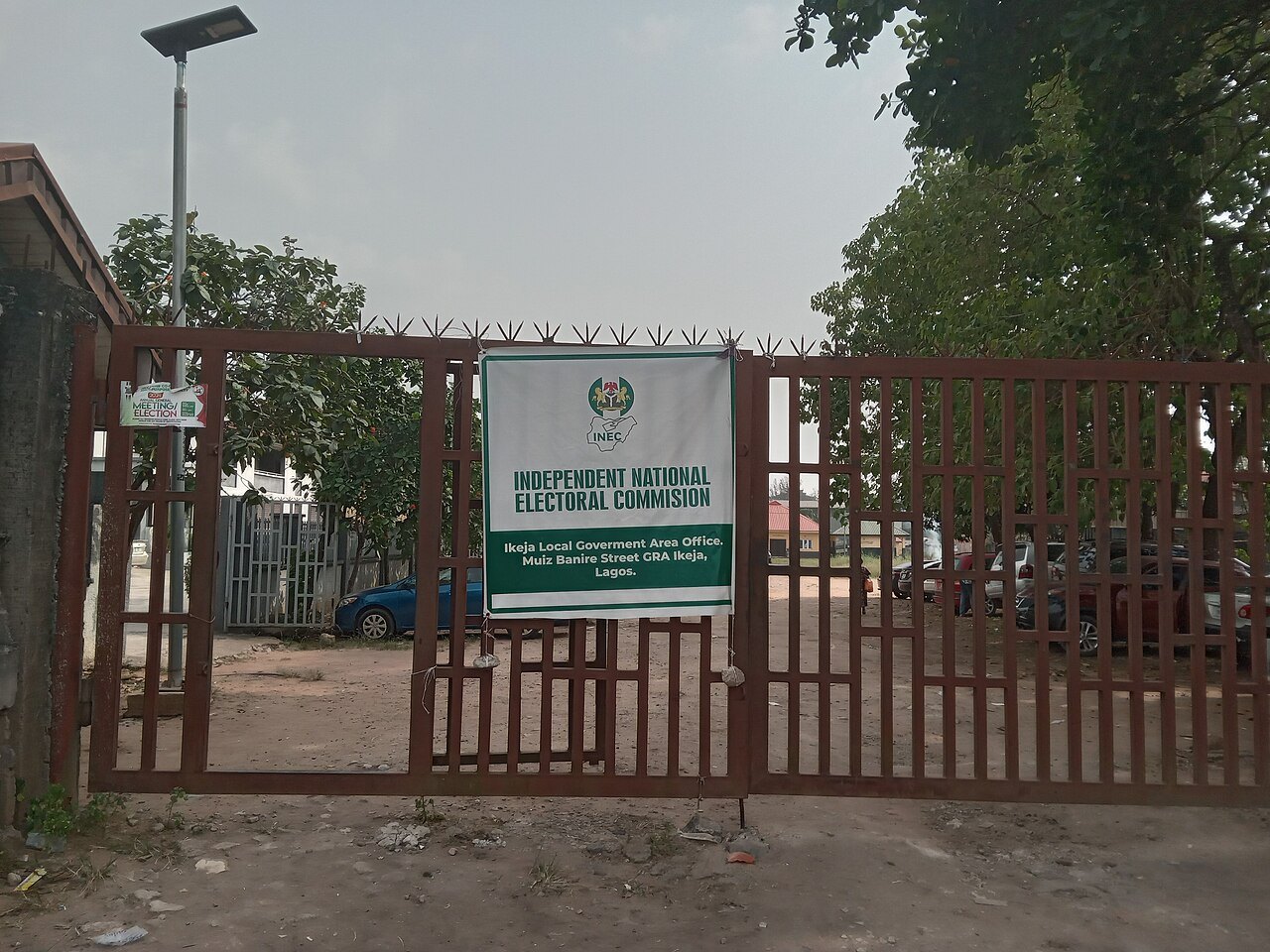
Nigeria’s Independent National Electoral Commission (INEC) has drawn a line few election bodies state so plainly. Giving the keynote at the Artificial Intelligence and Democracy Forum 2026 in Abuja on 14 October, co-convened with the civic group Yiaga Africa, INEC’s chairman, Professor Joash Amupitan, said: “Algorithms will not, and must never, decide the 2027 vote”, according to Voice of Nigeria. Presidential and National Assembly polls are listed for January 2027 on INEC’s 2027 general elections page, and Mr Amupitan described a contest of more than 103m registered voters across 176,846 polling units as Africa’s largest democratic exercise, The Authority reported.
What INEC has built, and what stays in human hands
The commission has created an AI unit inside its Information and Communication Technology Directorate, with digital-monitoring tools, deepfake-detection software and analytics, the chairman said, according to Voice of Nigeria. AI will also help with planning routes for staff, boats and sensitive materials to reach polling units before 7:30 am; flagging inconsistencies in result sheets uploaded to the INEC Result Viewing Portal (IReV), under official oversight; and, through an AI-enhanced Automated Biometric Identification System, spotting duplicate faces and fingerprints in the voter register.
The three decisions that settle an election (who may vote, how results are added up and who may stand) will not be handed wholly to software. “Human accountability, statutory oversight and judicial review will remain paramount at every stage of the electoral chain,” Mr Amupitan said.
Outward-facing measures are softer. INEC is working with platforms to speed the labelling of AI-generated electoral content, and asked Meta, X, Google, TikTok and Telegram to rein in deceptive synthetic media and enforce political-advert disclaimers. He also wants parties and candidates to commit to an Ethical AI Code of Conduct forswearing deepfakes, synthetic impersonation, dark ads and automated botnets, Blueprint reported. AI & GPP found no published text of that code by 18 October.
The human-control rule already exists; the party code does not
The pledge is not improvised. INEC’s Policy on Election Technology Acquisition and Deployment (Policy No. 01/2025, effective 25 September 2025) says “AI technology shall complement human decision-making rather than replace or supplant it”. The same policy contemplated AI in accreditation and result collation, subject to rigorous testing; October’s statement adds that those functions will not be fully automated. What remains unwritten is anything that binds outsiders. INEC ranked AI-driven disinformation among the gravest risks to 2027 in September, Arise News reported, yet its answer for parties and platforms remains persuasion.
Nigeria’s military now treats deepfakes as a security threat
In a goodwill message to the Defence Correspondents Association of Nigeria conference in Abuja on 12 October, where he was represented by the Director of Defence Information, Sumaila Musa, the Chief of Defence Staff, General Olufemi Oluyede, called deepfakes “weapons of psychological warfare” and warned that “a single AI-generated video can undo months of operational gains”, Premium Times reported, carrying a News Agency of Nigeria story. He asked reporters to check sensitive operational material with Defence Headquarters first. When soldiers and election officials both ask to be the verifier, who may declare a clip fake becomes a campaign question in itself.
South Africa shows what a binding rule adds
South Africa, which holds municipal elections on 4 November, has gone further on paper. Its Electoral Code of Conduct Countering Disinformation in Local Government Elections (General Notice 4138, Government Gazette No. 55341, 4 September 2026) obliges parties and candidates to mark AI-generated material as “synthetic content” before distribution; any breach is sanctionable under the Municipal Electoral Act, 2000. The commission’s announcement sets out the code’s 36-hour deadlines to correct falsehoods and to report online disinformation to Real411. An IEC voter advisory, carried by Germiston City News on 13 October as supplied content, says political advertising and AI-generated content “must be clearly marked”. AI & GPP had found no published ruling on a disinformation referral by 18 October, a gap it flagged last week.
| Nigeria (INEC) | South Africa (IEC) | |
|---|---|---|
| Written instrument | Policy No. 01/2025; party code proposed, no text found | Notice 4138, Gazette No. 55341 |
| AI labelling | Requested of platforms; parties urged to sign a voluntary code | Mandatory for parties and candidates |
| Sanction | None stated | Breach sanctionable under the Act |
| Polling | January 2027 | 4 November 2026 |
What to watch before the ballots
INEC’s split (machines for logistics and anomaly-flagging, people for decisions) is a defensible template for other electoral bodies, once written down and auditable. Watch four things: the text of the Ethical AI Code and whether parties sign it; any written commitments from the five platforms; published rules for how IReV flags are reviewed, so observers can test them; and South Africa’s first ruling on unlabelled synthetic content before 4 November. As Brazil’s election court has shown, disclosure duties can tighten quickly in a live campaign. Platforms operating in both countries should plan for labelling requests to harden into duties, as they already have for South Africa’s parties.
Sources
- INEC Unveils AI Safeguards Ahead of 2027 Elections — Voice of Nigeria, 15 October 2026 (federal state broadcaster)
- 2027 General Elections Update — Independent National Electoral Commission, undated (official listing)
- INEC, Yiaga Africa Move to Shield 2027 Elections From AI Manipulation — The Authority, 15 October 2026
- 2027 polls will be decided by Nigerians, not AI – INEC — Blueprint, 15 October 2026
- Policy on Election Technology Acquisition and Deployment (PETAD), Policy No. 01/2025 — Independent National Electoral Commission, effective 25 September 2025 (PDF)
- 2027 Polls: AI Disinformation Threatens Election Credibility, INEC Warns — Arise News, 2 September 2026
- National Security: CDS urges journalists to combat AI-generated fake news — Premium Times, 12 October 2026 (News Agency of Nigeria report)
- Electoral Code of Conduct Countering Disinformation in Local Government Elections, General Notice 4138, Government Gazette No. 55341 — Electoral Commission of South Africa, 4 September 2026 (PDF)
- Electoral Commission introduces new Disinformation Code ahead of 2026 Local Government Elections — South African Government, 8 September 2026
- IEC warns voters about election disinformation ahead of polls — Germiston City News, 13 October 2026 (supplied content)
Discussion
No comments yet. Start the conversation.