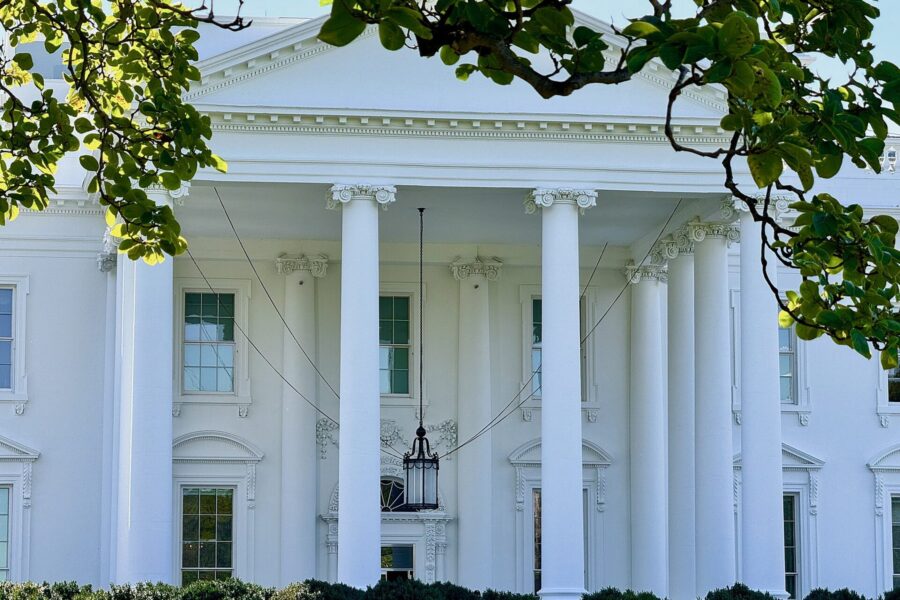
The State’s Chatbot Has Opinions
Within days of launch, Washington's AI front door was reported to have changed what it said about elections and presidential terms. The real question is not who is right, but who decides, and how anyone would know.
AI-made political advertising has arrived at scale in the US midterms, mostly undisclosed and often more absurd than deceptive. Brazil and Hungary suggest the real risks, and the real defences, lie somewhere other than the ads themselves.
A chatbot's error reportedly came close to prompting a US intercept of a Chinese vessel. As AI tools reach millions of military personnel, high-stakes analysis needs provenance labels, verification gates and logs.
Brussels has pushed its high-risk AI rules back to December 2027. For welfare offices, border agencies, police forces and schools, the extra sixteen months are a window to build governance, not a reprieve.
Albania presented its AI "minister" as a cure for corrupt procurement. Reports that the agency behind it is under investigation should prompt every government to ask what makes a public algorithm trustworthy in the first place.
Washington and Beijing have agreed their first institutional channel for AI risks. It is a real step, but without a shared definition of an AI incident, nobody yet knows when either side should pick up the phone.
Records from Medicare's AI prior-authorisation pilot show thousands of denials, an 83-day wait against a 72-hour standard and vendors paid more when they say no. The flaw is not only the software; it is the contract.
A survey of US state and local government finds officials far more confident about their AI than the residents they serve. Set alongside new Pew and OECD work, it suggests trust in public-sector AI is earned slowly and lost easily.
Congress has not passed a federal AI law, and its preemption push has stalled. California is filling the gap with worker protections and auditor rules, while Colorado shows how far federal and industry pressure can roll a state back.
Parliament's human rights committee wants a dedicated AI Bill; the government's cyber legislation leaves frontier developers to volunteer; and the Met is fixing facial recognition cameras in the West End. The UK is deploying first and legislating later.
Global AI governance is hardening into rival institutions, a US-led supply-chain bloc and a Chinese-led cooperation body. Many states are joining both, and public opinion abroad is less tilted towards the West than policymakers assume.
The UAE wants half its government services run by AI agents within two years; Canada is backing tens of billions in "sovereign" compute. Both are bets on control. The chips underneath tell a more complicated story.
Regulation, procurement, elections and security, read for decision-makers. Free, weekly.
Independent reporting and analysis on AI, government, policy and politics — in your inbox every week. Free.
· Sign in