Now
1. Brazil Proclaims a Result and Leaves Its Orders Unreferended 34,393votes cast after 5:00 pm under Brazil’s extension, 0.027% of turnout and far below the margin 2. The First Committee Clears All Four Military-AI Texts £490mwhat Table 6.1 of Britain’s Budget scores for AI over six years, against "over £700 million" in the text 3. Egypt's Grace Period Has Expired. The Regulator Says It Starts Now 13 Novembernew close of India’s 10,000-GPU tender, moved by an unannounced corrigendum 4. The FCC Has Not Ruled on AI Robocalls, and Says It Has No Plans To 77.9%turnout in Israel’s final count, published 30 October 5. Mexico's Supreme Court Parks 138 Biometric-CURP Appeals 163–5First Committee vote to "advance to negotiations" on autonomous weapons 6. Canada and the EU Write AI Conformity Into a Summit Text $25,000New York’s per-violation penalty for unsafe AI companion features, from 1 January 2027 7. South Australia's Royal Commission Opens With Six Themes and a Carve-Out 243→16South Korean local governments folding into sixteen regional platforms by end-2029 8. Beijing Certifies 21 More Personal-Information Auditors 0.478F1 of a clinical de-identifier on real nursing notes, against 0.994 on its synthetic benchmark 9. Islamabad Chooses Age Assurance Over a Ban 180,000Japanese officials being moved onto the Digital Agency’s agent tooling 10. New York's Courts Tell Lawyers How to Check What AI Wrote $0.47what a US federal agency pays for Gemini for Government per year, until 15 November Washington Writes ‘Super Intelligence’ Into the Rulebook $3,000Pennsylvania’s maximum civil fine under Act 99, from 21 December Brazil’s Platform Orders Outlive the Vote 6 hourshow often Meta and X must report reach to Brazil’s electoral court Israel’s Count Is Done; the Integrity Argument Is Not £456mUK AI security, procurement and capability commitments, to be confirmed at the Budget India’s 10,000-GPU Tender Quietly Slips to 14 November 2 Decemberwhen the EU nudification ban and the marking duty become enforceable Three Legislatures, One Chatbot Problem 14MWHumain’s Nvidia Blackwell Phase 1, from Q4 2026 Chile Keeps Boric’s AI Bill Alive While Kast Reserves a Rewrite 700disinformation complaints logged by South Africa’s Electoral Commission The Baselines Are the News: What Britain’s Red Book Scores for AI 27 OctIsrael votes under its first deepfake-disclosure law A Covenant and a Queue Jump: How the UK Will Pick Its Data Centres 54risks listed in China’s AI Safety Governance Framework 3.0, up from 30 €30bn+EU call for up to seven AI gigafactories 554deepfakes logged in Brazil’s first round; only 371 labelled 30+AI firms sent the first AI Act information requests 164AI-made ads in the US midterms, by one count 42signatories to Canada’s voluntary data-centre principles 174MWCape Town data centre now under appeal 83 dayswait reported under Medicare’s AI pilot, against a 72-hour standard 20home-grown foundation models backed by the IndiaAI Mission 2%of Turkish public investment budgets earmarked for AI

Washington’s AI Contract Clause Arrives on 19 October

From 19 October, GSA contracts for chatbots, agents and other large language model tools must carry clause 552.239-7001. What it demands of vendors, and why state and local buyers on GSA schedules should read it too.


Argentina Drafts Companies Run by Software. Who Pays?

Javier Milei has promised the UN that Argentina will not regulate AI preventively. His company-law bill would let firms run on AI systems with no staff, but it leaves open who answers when they cause harm.

Permits, Not Chips: Finland Tells Google to Pause Its Groundwork

Finland's national permit agency has asked a Google subsidiary to stop clearing two data-centre sites until environmental assessments are finished. Brussels' own fast-track plan for data centres points the other way: assess first, then build quickly.

Fourteen Gigawatts, Three Meanings: Reading Gulf Compute Claims

Saudi Arabia's 14GW AI figure means a site power allocation to one official, national computing ambition to another and something Humain's own roadmap never reaches. Read beside Qatar and the UAE, the Gulf's gigawatt claims need translating before anyone prices them.

Dubai Sends 33 Agencies Through One AI Accelerator

Dubai's new accelerator pairs 33 government entities with firms holding the Dubai AI Seal. The Seal's published tiers reflect a firm's economic contribution and say nothing about testing its systems, and no one has published how agentic services will be judged.

Africa’s Ballot-Box AI Rules Meet Their First Tests

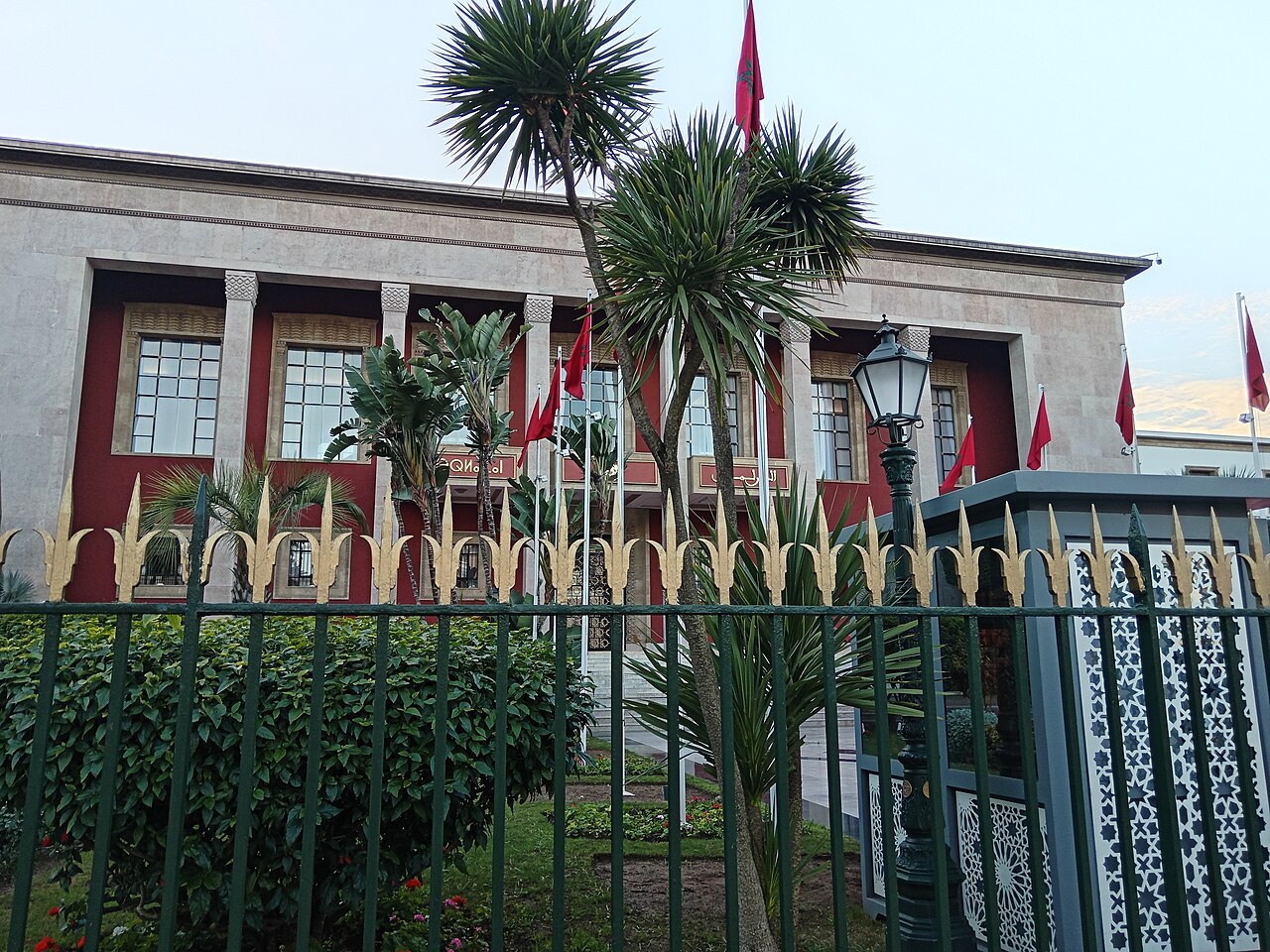
Morocco's rights council reportedly found that more than a quarter of the election material it reviewed was made or altered with AI, while its regulator's ban covered only broadcasters. South Africa's new code reaches online content, but only through parties and candidates.

Ghana Wants a Say Before Any Ministry Buys AI

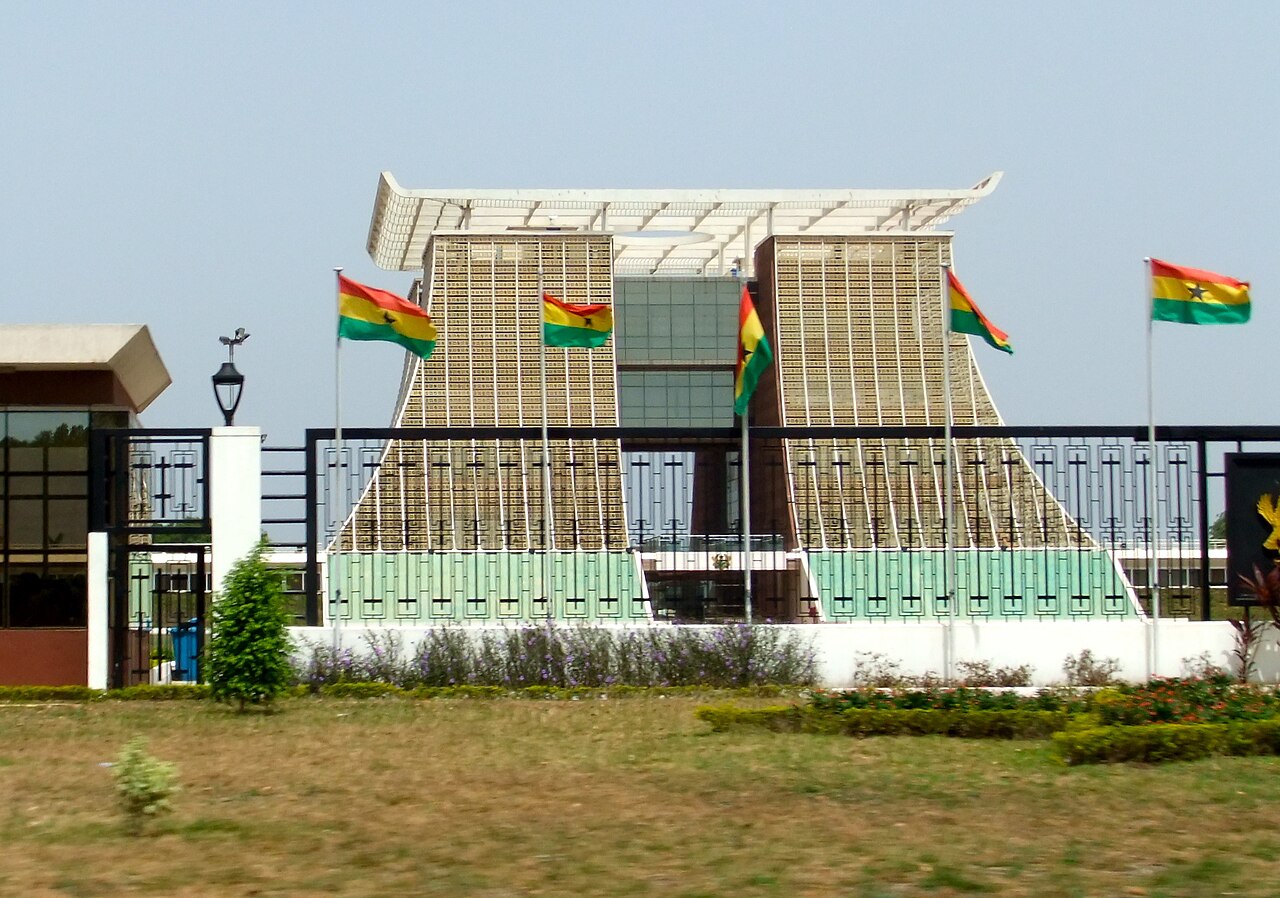
Accra says every AI system bought by a public body will pass a central technical review scoped by its IT agency. The criteria are public; the legal instrument and start date are not. How it compares with Washington and New Delhi.

Ethiopia’s Data Bill Lands Before a New Parliament

Ethiopia's cabinet has sent a national data bill on sharing, security, interoperability and AI research to a newly elected House. What it would do, how it sits beside the 2024 privacy law and the Fayda ID, and what to watch.

DigiLocker Opens to Banks and Gets an AI Assistant

New Delhi wants private intermediaries to plug banks, insurers, colleges and hospitals into its document wallet, and is building an assistant that fetches and shares papers on request. The safeguards are strict on paper; the consent questions are not settled.

South Asia’s 7 Per Cent Problem

The World Bank says only 7 per cent of South Asian jobs face high AI exposure without human complementarity. The figure is real, carried over from 2025, and cannot be set beside the Bank's other headline numbers.

Beijing Targets Fake Personas Hiding Behind AI Disclaimers

China's internet regulator has told platforms that an "AI-generated" or "fictional" tag is no excuse for hosting fake personas. Other labelling regimes, from Brussels to Brasília, face the same question: what does a disclosure actually cure?